• Blackness, Koreanness, and Han: Unmasking Race in Korean Hip Hop

    Journal of Black Studies
    Volume 54, Issue 2, March 2023
    pages 136–156
    DOI: 10.1177/00219347231153169

    Hyein Amber Kim, Teaching Assistant Professor
    Department of Linguistics
    State University of New York (SUNY) at Buffalo, Buffalo, New York

    Previous studies have analyzed Korean hip hop through the lens of authenticity, language, and cultural hybridity, but not through the lens of race. One of the main characteristics of hip hop culture is that it emerged in the form of resistance against dominant hegemony and as a form of resistance to systemic injustice; however, it is difficult to find K-hip hop artists that defy the racial supremacy of Koreanness and racism through their art. This article utilizes Yoon Mi-rae, who is half-Black and half-Korean, as a significant text to explore how race plays a role in Korean society and how Blackness, Koreanness, and han intersect in the K-hip hop scene. Utilizing the concept of community cultural wealth, interest convergence principle, and Koreanness, the study analyzes how Yoon Mi-rae’s “Black Koreanness” was consumed by Korean media and music industry, and how Yon Mi-rae, as an embodiment of Blackness and Han, uses hip hop and her intersectionality as a tool of resistance to both the mainstream American and mainstream Korean racial ideology and discourse. With the growing influence and popularity of K-hip hop globally, the article problematizes the message K-hip hop is reflecting and sending the world about race.

    Read or purchase the article here.

  • Brutal Nazi Torture of Black German Boy Gert Schramm in Nazi Germany – Buchenwald – World War 2

    World History
    2023-03-21

    Despite the Nuremberg Laws, some Black people and so called German “Aryans” still became romantically involved with one another. These relationships were dangerous for both partners, especially if they chose to try to legally marry. In Nazi Germany, everyone was required to apply for permission to marry. When interracial couples applied, their applications were consistently denied for racial reasons. These applications brought their interracial relationships to the attention of government authorities. This often had dire consequences for the couple. In multiple cases, marriage applications resulted in harassment, sterilization and the breaking up of partnerships.

    Legal couples whose marriages pre-dated the Nuremberg Laws were harassed by the Nazi regime. The regime pressured white German women to divorce their Black husbands. Interracial couples and their children were often humiliated and even assaulted when they appeared together in public.

    Like their parents, many Black children in Germany experienced the Nazi era as a time of increased loneliness, isolation, and exclusion. Some Black children felt German and wanted to be a part of the excitement. But Nazi racial ideology had no place for Black-German children. For Black children in Nazi Germany, schools became sites of humiliation. Black children were often degraded in racial science classes and ridiculed by teachers who supported the Nazis…

    Just as the Nazification of the education system greatly restricted the rights of Jewish children to attend public schools, it also impacted Black children over the course of the 1930s. Some Black students were expelled and unable to complete their education. Few private schools would accept Black students and finding apprenticeships, which in Germany was crucial to find employment, became increasingly difficult.

    Such was a case of Gert Schramm

    Watch the video here.

  • ‘I Am Latino, I Am Also White’: Why A Latino Of Mixed Ancestry Struggles Each Time He Fills Out A Form

    LAist
    2020-12-06

    Thomas Lopez

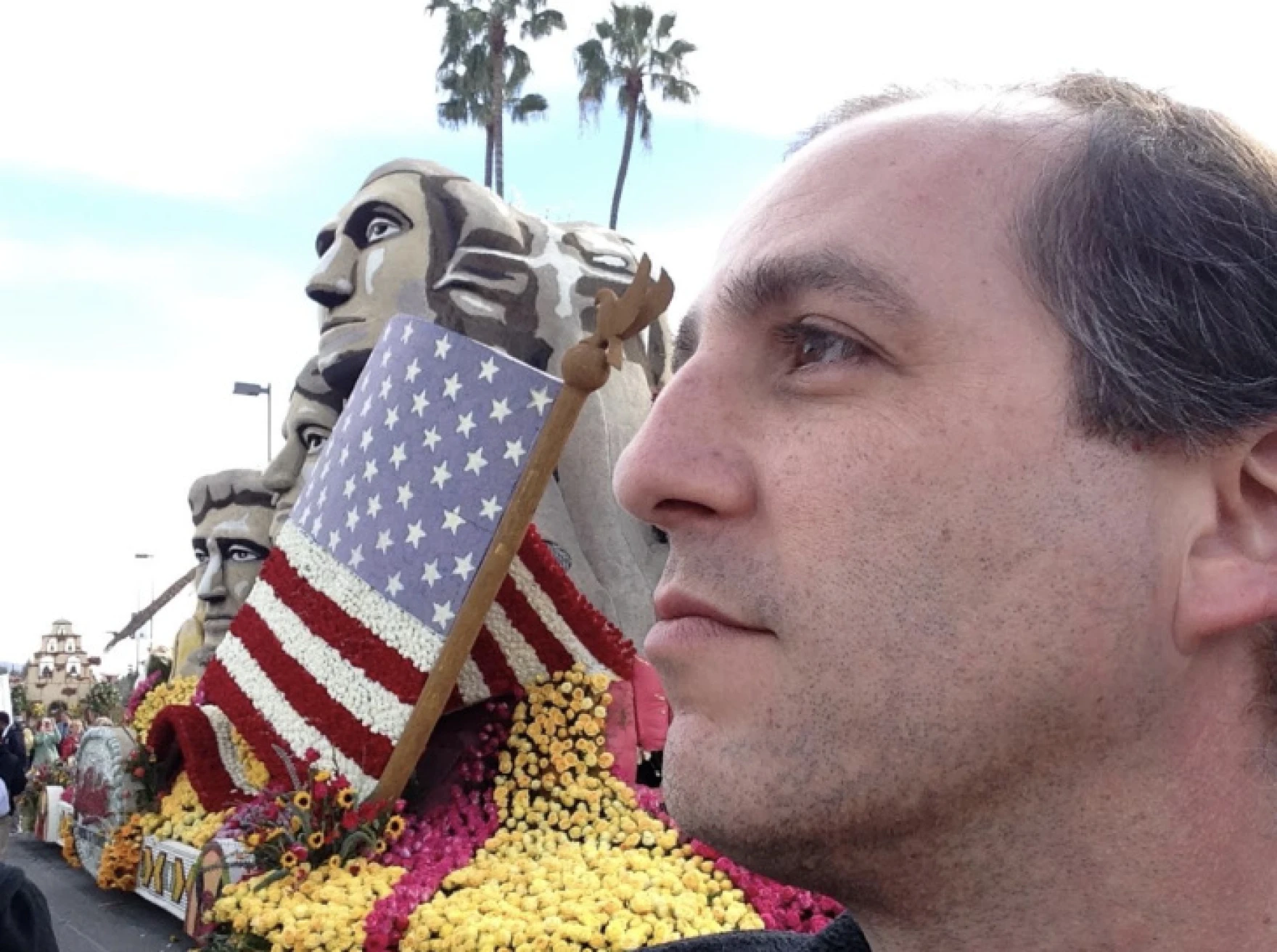
    At a Rose Parade float display, Thomas Lopez compares profiles with our first president. (Courtesy of Thomas Lopez)

    “Mr. Lopez, we need you to turn in the form declaring your son’s race,” said the administrator from my son’s school.

    In second grade, we transferred him to LAUSD from his parochial school and filed the necessary stack of paperwork, save one form. That was the statement of racial identity.

    It wasn’t intentional, just an honest mistake. But it wasn’t one the school would easily overlook. They called my wife and me individually to obtain the form.

    Completing this form was not easy. My son is multiracial — Black, white and Native American. I too am multiracial white and Latino. My wife and I are Mexican American…

    Read the entire article here.

  • Identity Wars: Mixed Separatists v. Black Gatekeepers

    Mixed Auntie Confidential
    2023-03-16

    TaRessa Stovall

    Does this fight or fuel racism?

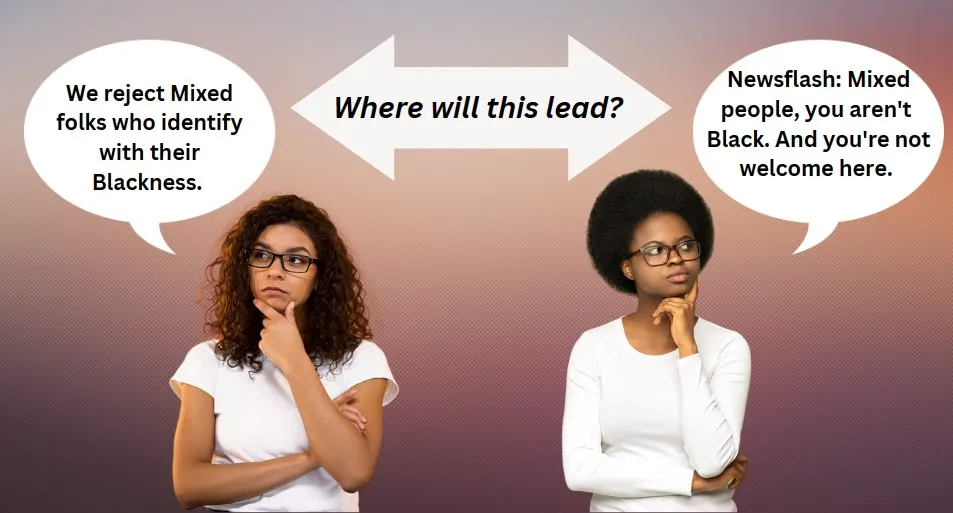
    A growing trend has Mixed-race Separatists on one side, insisting that we have to identify ONLY as Mixed or we’re criticized as “One-Droppers” for refusing to separate our Mixedness from our Blackness, and rejected as problematic, inauthentic enemies of “true” Mixed identity.

    On the other side, there’s a growing number of young Black folks—seemingly mostly women—who proudly self-identify as Gatekeepers. They’re adamant that Mixed-Black people aren’t Black, can’t call themselves Black, and aren’t welcome in Black spaces. This gatekeeping includes Mixed-Black people who very much identify with Black culture and community…

    Read the entire article here.

  • The Cumulative Effects of Colorism: Race, Wealth, and Skin Tone

    Social Forces
    Published online: 2023-03-13
    DOI: 10.1093/sf/soad038

    Alexander Adames, Ph.D. Candidate
    Department of Sociology
    University of Pennslyvania

    Researchers have long documented a persistent Black–White gap in wealth. These studies, however, often treat race as a discrete category, eluding its socially constructed nature. As a result, these studies assume that the “effect of race” is consistent across all individuals racialized as Black. Studies that make this assumption potentially obscure heterogeneity in the size of the Black–White wealth gap. Research on skin color stratification suggests that it is possible that the Black–White wealth gap varies by the extent to which a racial subgroup is deemed to fit the broader racial umbrella. In turn, I adopt a more complex operationalization of race that is based on both racial and skin tone appraisals. Drawing on data from the National Longitudinal Survey of Youth 1997, I find that the Black–White wealth gap does vary by the Black skin tone subgroup. Generally, the Black–White gap in assets is smallest when focusing on lighter-skin Black people and largest when focusing on darker-skin Black people. These differences are not only the result of initial disadvantage but also cumulative disadvantage in the rate of wealth accumulation. Lastly, the findings suggest that the Black–White wealth gaps grow at a faster rate than the skin tone wealth gaps. I found that differences were robust to adjustments for parental socioeconomic status, childhood background, and interviewer characteristics. I conclude by discussing the theoretical implications for our understanding of the mechanisms undergirding Black–White disparities in wealth attainment.

    Read or purchase the article here.

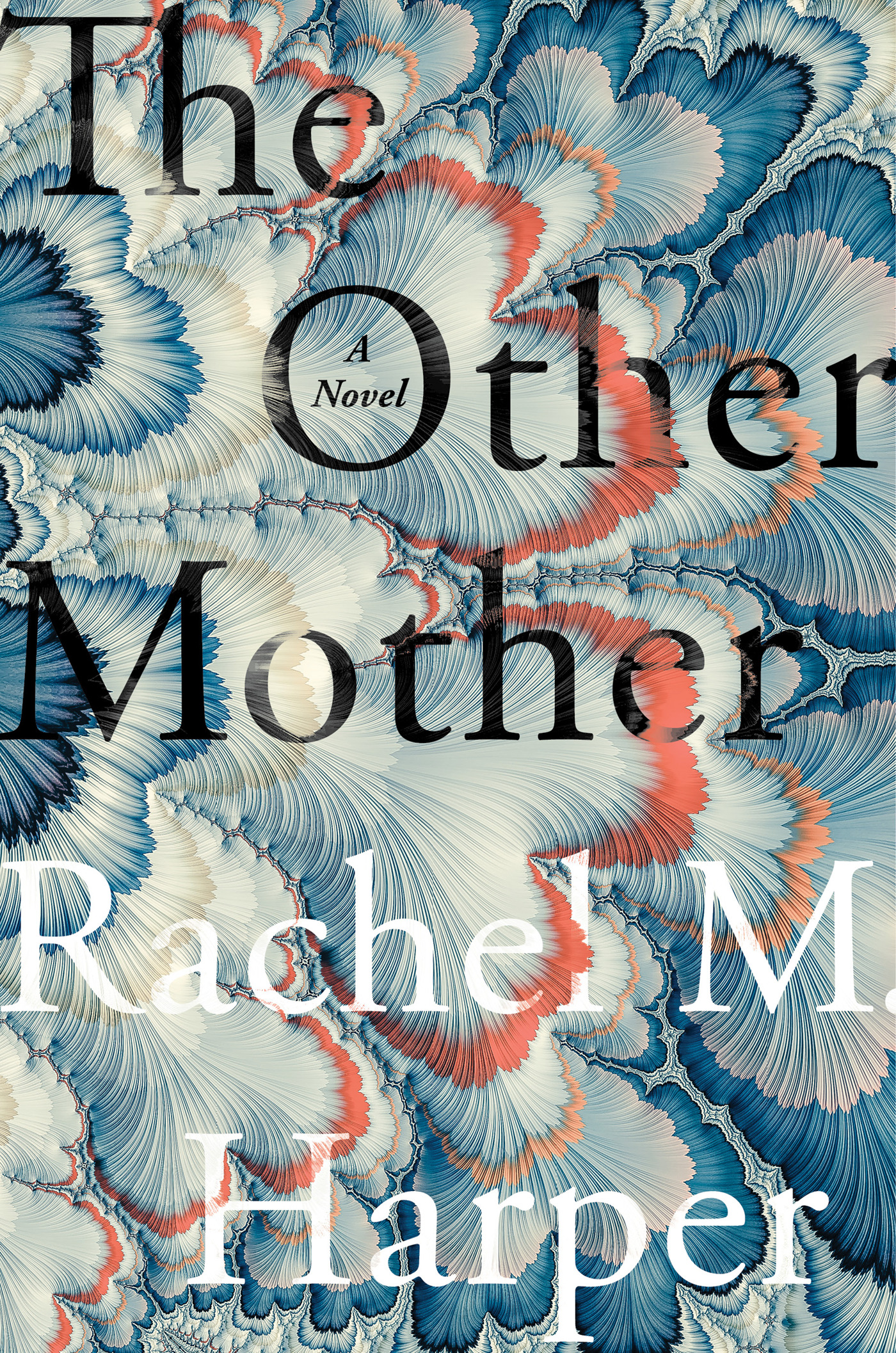
  • The Other Mother, A Novel

    Counterpoint Press (an imprint of Penguin Random House)
    2022-05-03
    432 pages
    6 x 9
    Hardcover ISBN: 9781640095045

    Rachel M. Harper

    An “extraordinary” page-turning generational saga about a young man’s search for a parent he never knew, and a moving portrait of motherhood, race, and the truths we hide in the name of family (Alice Walker, Pulitzer Prize-winning author of The Color Purple)

    Jenry Castillo is a musical prodigy, raised by a single mother in Miami. He arrives at Brown University on a scholarship—but also to learn more about his late father, Jasper Patterson, a famous ballet dancer who died tragically when Jenry was two. On his search, he meets his estranged grandfather, Winston Patterson, a legendary professor of African American history and a fixture at the Ivy League school, who explodes his world with one question: Why is Jenry so focused on Jasper, when it was Winston’s daughter, Juliet, who was romantically involved with Jenry’s mother? Juliet is the parent he should be looking for—his other mother.

    Revelation follows revelation as each member of Jenry’s family steps forward to tell the story of his origin, uncovering a web of secrecy that binds this family together even as it keeps them apart. Moving seamlessly between the past and the present, The Other Mother is a daring, ambitious novel that celebrates the complexities of love and resilience—masterfully exploring the intersections of race, class, and sexuality; the role of biology in defining who belongs to whom; and the complicated truth of what it means to be a family.

  • When Trying to Return Home: Stories

    Counterpoint Press (an imprint of Penguin Random House)
    2023-02-07
    272 pages
    5-1/2 x 8-1/4
    Hardcover ISBN: 9781640095687

    Jennifer Maritza McCauley

    A dazzling debut collection spanning a century of Black American and Afro-Latino life in Puerto Rico, Pittsburgh, Louisiana, Miami, and beyond—and an evocative meditation on belonging, the meaning of home, and how we secure freedom on our own terms

    Profoundly moving and powerful, the stories in When Trying to Return Home dig deeply into the question of belonging. A young woman is torn between overwhelming love for her mother and the need to break free from her damaging influence during a desperate and disastrous attempt to rescue her brother from foster care. A man, his wife, and his mistress each confront the borders separating love and hate, obligation and longing, on the eve of a flight to San Juan. A college student grapples with the space between chivalry and machismo in a tense encounter involving a nun. And in 1930s Louisiana, a woman attempting to find a place to call her own chances upon an old friend at a bar and must reckon with her troubled past.

  • That Time I Clapped Back at Langston Hughes

    Mixed Auntie Confidential
    2023-03-05

    TaRessa Stovall


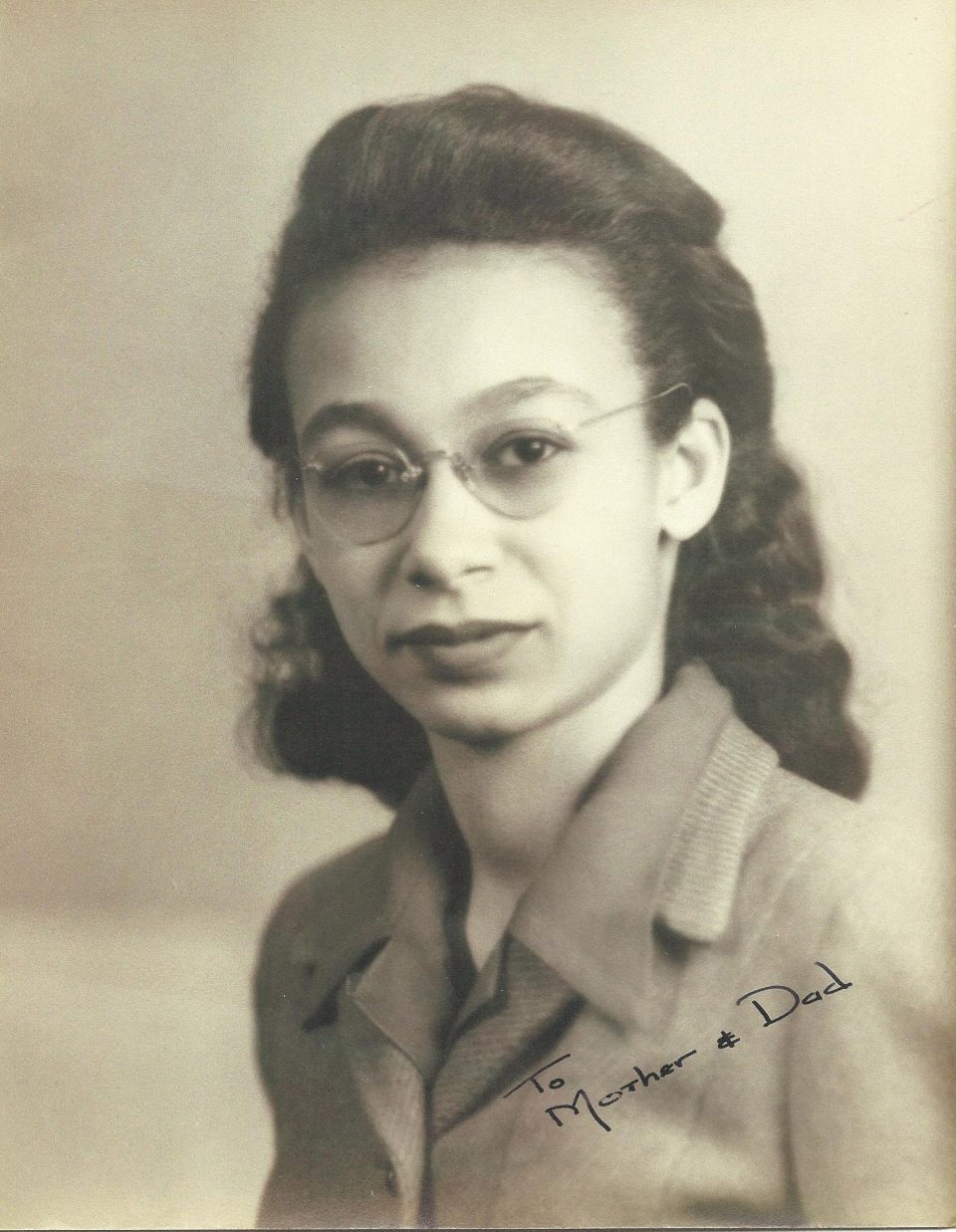
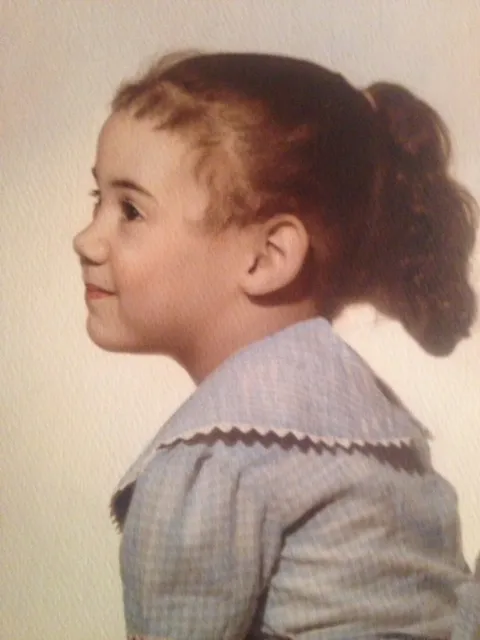
    Me at age 3

    Even as a child, I balked at the stereotype of the Tragic Mulatto.

    It didn’t make sense to me.

    And I straight-up resented its implication: that my existence was tragic and my whole life worthless because I was “this close to” but not completely white.

    Neither I nor any of the Mixed folks I grew up with seemed the least bit miserable about our ancestry or identities.

    I was a young “bookworm”—today I’d be called an avid reader—regularly devouring the works of many fine poets and authors including Langston Hughes, who was one of my favorites…

    Read the entire article here.

  • ‘Moral electricity’: Melvil-Bloncourt and the trans-Atlantic struggle for abolition and equal rights

    Slavery & Abolition: A Journal of Slave and Post-Slave Studies
    Volume 40, 2019 – Issue 3
    pages 543-562
    DOI: 10.1080/0144039X.2018.1539459

    Bryan LaPointe, Ph.D. Candidate in History
    Princeton University, Princeton, New Jersey

    Little known to historians, the Guadeloupean-born antislavery and equal rights activist Sainte-Suzanne Melvil-Bloncourt exemplified the complex trans-Atlantic networks forged for the abolitionist cause across the nineteenth century. As a contributing journalist for a Parisian political and literary publication, Melvil-Bloncourt produced numerous pieces on the history and politics of slavery and emancipation around the Atlantic world. The American Civil War especially galvanized Melvil-Bloncourt into more fervent antislavery action, prompting him not only to connect with activists based in New Orleans and the famous abolitionist Frederick Douglass, but also to raise money in France for former American slaves. This project explores the depth of Melvil-Bloncourt’s emancipationist sensibilities and activism, guided by what he deemed ‘moral electricity,’ highlighting the influence of the otherwise overlooked Francophone world in the age of emancipation.

    Read or purchase the article here.

  • Colin Kaepernick calls out adoptive parents’ racism as he promotes new graphic novel

    CNN
    2023-03-10

    Matt Foster

    Colin Kaepernick’s graphic novel memoir details his high school years before he entered professional sports, according to the publisher. Jamie McCarthy/Getty Images

    Former NFL quarterback Colin Kaepernick accused his White adoptive parents of perpetuating racism in their household in an interview with CBS’ Adriana Diaz on Thursday.

    “I know my parents loved me, but there were still very problematic things that I went through,” the 35-year-old said.

    “I think it was important to show that, no, this can happen in your home, and how you move forward collectively while addressing the racism that is being perpetuated.”…

    Read the entire article here.