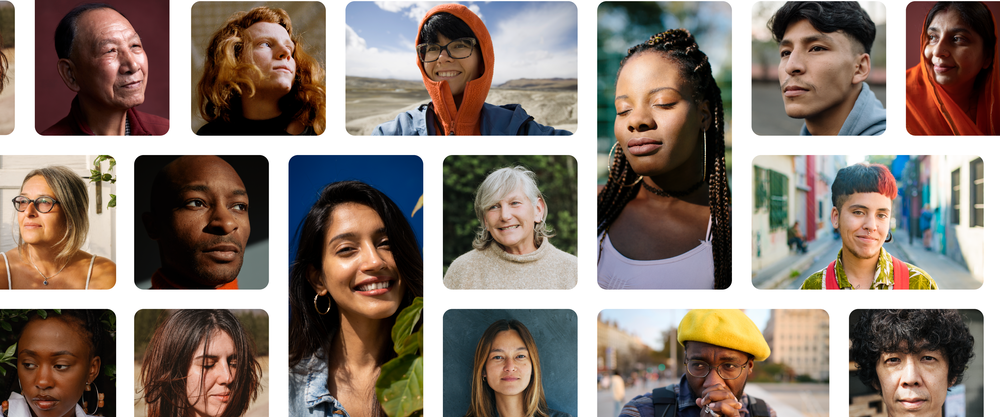
• Mana Tangatarua: Mixed heritages, ethnic identity and biculturalism in Aotearoa/New Zealand

    Routledge
    2017-11-16
    236 Pages
    14 B/W Illustrations
    Hardcover ISBN: 9781138233362
    Paperback ISBN: 9780367885304
    eBook ISBN: 9781315309811

    Edited By:

    Zarine L. Rocha, Affiliated Researcher
    Department of Sociology
    National University of Singapore, Singapore

    Melinda Webber, Associate Professor in the Faculty of Education and Social Work
    University of Auckland

    This volume explores mixed race/mixed ethnic identities in Aotearoa/New Zealand. Mixed race and mixed ethnic identity are growing in popularity as research topics around the world. This edited collection looks at mixed race and mixed ethnic identity in New Zealand: a unique context, as multiple ethnic identities have been officially recognised for more than 30 years.

    The book draws upon research across a range of disciplines, exploring the historical and contemporary ways in which official and social understandings of mixed race and ethnicity have changed. It focuses on the interactions between race, ethnicity, national identity, indigeneity and culture, especially in terms of visibility and self-defined identity in the New Zealand context.

    Mana Tangatarua situates New Zealand in the existing international scholarship, positioning experiences from New Zealand within theoretical understandings of mixedness. The chapters develop wider theories of mixed race and mixed ethnic identity, at macro and micro levels, looking at the interconnections between the two. The volume as a whole reveals the diverse ways in which mixed race is experienced and understood, providing a key contribution to the theory and development of mixed race globally.

    Table of Contents

    • Foreword Paul Spoonley
    • Introduction: Situating mixed race in New Zealand and the world. Zarine L. Rocha and Melinda Webber
    • Section one: Mixedness and classifications across generations
      • Chapter One: A history of mixed race in Aotearoa/New Zealand. Zarine L. Rocha and Angela Wanhalla
      • Chapter Two: Reflections of identity: ethnicity, ethnic recording and ethnic mobility. Robert Didham
      • Chapter Three: Is ethnicity all in the family? How parents in Aotearoa New Zealand identify their children. Polly Atatoa Carr, Tahu Kukutai, Dinusha Bandara and Patrick Broman
      • Chapter Four: Lives at the intersections: multiple ethnicities and child protection. Emily Keddell
    • Section two: Mixed identifications, indigeneity and biculturalism
      • Chapter Five: Raranga Wha: Mana whenua, mana moana and mixedness in one Māori/Fijian/Samoan/Pākehā whānau. Rae Si‘ilata
      • Chapter Six: Beyond Appearances: Mixed ethnic and cultural identities among biliterate Japanese-European New Zealander young adults. Kaya Oriyama
      • Chapter Seven: Love and Politics: Rethinking Biculturalism and Multiculturalism in Aotearoa-New Zealand. Lincoln I. Dam
      • Chapter Eight: Māori and Pākehā encounters of difference – the realisation that we’re not the same. Karyn Paringatai
    • Section three: Mixing the majority/Pākehā identity
      • Chapter Nine: Multidimensional intersections: the merging and emerging of complex European settler identities. Robert Didham, Paul Callister and Geoff Chambers
      • Chapter Ten: Hauntology and Pākehā: disrupting the notion of homogeneity. Esther Fitzpatrick
  • Clinical Sociology and Mixedness: Towards Applying Critical Mixed Race Theory in Everyday Life

    Genealogy
    Volume 6, Issue 2 (2022) (Special Issue: Beyond the Frontiers of Mixedness: New Approaches to Intermarriage, Multiethnicity, and Multiracialism)
    DOI: 10.3390/genealogy6020032
    21 pages

    Zarine L. Rocha, Affiliated Researcher
    Department of Sociology
    National University of Singapore, Singapore

    Research on mixed racial and ethnic identities has developed rapidly over the past decades, increasing in theoretical scope and depth, and exploring mixedness across a growing range of national and social contexts. Recent research has highlighted the huge variations and shifts in conceptions of mixedness around the world, and the different pathways to understanding what it means to be mixed through migration, development, postcolonialism and different forms of nation-building. This paper seeks to connect theory to practice, approaching mixedness through the lens of clinical sociology, applying sociological theory on the ground and exploring the utility of critical mixed race studies in everyday life. Clinical sociology as a practice is first outlined, juxtaposed against the development in theorizing around mixed racial and ethnic identities on an international level. The paper then looks at some possibilities for practical impact: by acknowledging the complexity of mixedness and everyday life, research on mixed identities can go beyond the development of theory and case description, with applied and clinical impacts ranging from the level of the individual to the level of the state. Research on mixedness worldwide illustrates the diversity inherent within ideas of mixing, and the micro, meso and macro applications and potential outcomes of such theories. This paper draws on new and shifting conceptions of mixedness, emphasizing that the sociology of mixedness can have considerable value in effecting positive social change: positioning the (mixed) individual within the (mixed) society and allowing sociology to become action. The development and use of theories around mixedness emphasize the importance of clinical sociology as a practice: a reason for theory, connecting the abstract to the everyday.

    Read the entire article in HTML or PDF format.

  • Improving skin tone representation across Google

    Google
    2022-05-11

    Tulsee Doshi, Head of Product, Responsible AI


    Seeing yourself reflected in the world around you — in real life, media or online — is so important. And we know that challenges with image-based technologies and representation on the web have historically left people of color feeling overlooked and misrepresented. Last year, we announced Real Tone for Pixel, which is just one example of our efforts to improve representation of diverse skin tones across Google products.

    Today, we’re introducing a next step in our commitment to image equity and improving representation across our products. In partnership with Harvard professor and sociologist Dr. Ellis Monk, we’re releasing a new skin tone scale designed to be more inclusive of the spectrum of skin tones we see in our society. Dr. Monk has been studying how skin tone and colorism affect people’s lives for more than 10 years.

    The 10 shades of the Monk Skin Tone Scale.

    The culmination of Dr. Monk’s research is the Monk Skin Tone (MST) Scale, a 10-shade scale that will be incorporated into various Google products over the coming months. We’re openly releasing the scale so anyone can use it for research and product development. Our goal is for the scale to support inclusive products and research across the industry — we see this as a chance to share, learn and evolve our work with the help of others…

    Read the entire article here.

  • Impact of the forgotten black Europeans

    Islington Tribune
    London, United Kingdom
    2022-05-12

    Angela Cobbinah

    The Chevalier de St George

    Scholars, poets, writers, composers… a new book focuses on the wide influence of Africa abroad, writes Angela Cobbinah

    ALESSANDRO de Medici, Duke of Florence, virtuoso 18th-century French violinist and composer Joseph Bologne and 1922 world light heavyweight boxing champion Battling Siki from France via Senegal are probably people we know little about, if at all.

    They are part of a forgotten European past explored by Olivette Otele in her scholarly book, African Europeans, which travels through time to reveal how trade, war, slavery and colonialism resulted in a black presence in Europe from as far back as the third century.

    This is where Otele, professor of the history and memory of slavery at Bristol University, kicks off, telling the story of St Maurice, Egyptian leader of a Roman legion who was famously executed for refusing to crush a Christian revolt in Gaul.

    Celebrated as a martyr across Germany, he is clearly represented as an African in a statue at Magdeburg Cathedral and other church iconography.

    Black saints and Madonnas appeared across Europe in the 12th and 13th centuries, perhaps Otele speculates, to symbolise the transformative power of the Catholic Church in converting those it considered heathen…

    Read the entire review here.

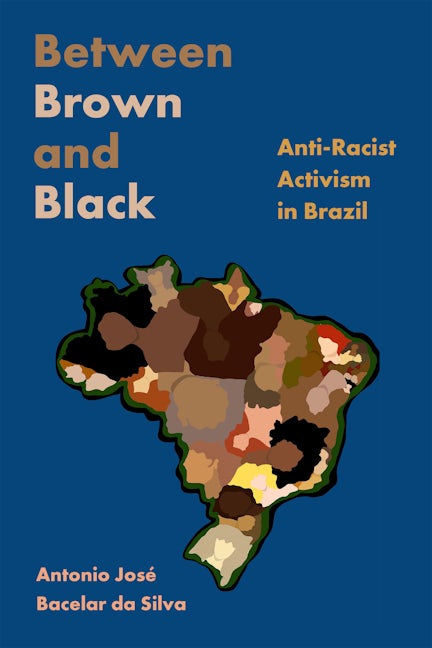
  • Between Brown and Black: Anti-Racist Activism in Brazil

    Rutgers University Press
    2022-05-13
    190 pages
    1 b&w iillustration
    6 x 9
    Paperback ISBN: 9781978808522
    Cloth ISBN: 9781978808539
    EPUB ISBN: 9781978808546
    PDF ISBN: 9781978808560
    Kindle ISBN: 9781978808553

    Antonio José Bacelar da Silva, Assistant Professor
    Center for Latin American Studies
    University of Arizona, Tucson

    With new momentum, the Brazilian black movement is working to bring attention to and change the situation of structural racism in Brazil. Black consciousness advocates are challenging Afro-Brazilians to define themselves and politically organize around being black, and more Afro-Brazilians are increasingly doing so. Other segments of the Brazilian black movement are working to influence legislation and implement formal mechanisms that aim to promote racial equality, including Affirmative Action Racial Verification Committees. For advocates of these committees, one needs to be phenotypically black enough to be a more likely target of racism to qualify for Affirmative Action programs. Paradoxically, individuals are told to identify as black but only some people are considered black enough to benefit from these policies. Afro-Brazilians are presented with a whole range of identity choices, from how to classify oneself, to whether one votes for political candidates based on shared racial experiences. Between Brown and Black argues that Afro-Brazilian activists’ continued exploration of blackness confronts anti-blackness while complicating understandings of what it means to be black. Blending linguistic and ethnographic accounts, this book raises complex questions about current black struggles in Brazil and beyond, including the black movements’ political initiatives and antiracist agenda.

    Table of Contents

    • List of Illustrations
    • 1. Black into Brown, Brown into Black: Afro-Brazilians Grapple with Racial Categorization
    • 2. The Language of Afro-Brazilian Antiracist Socialization
    • 3. Performing Ancestors, Claiming Blackness
    • 4. Becoming an Antiracist or “As Black as We Can Be”
    • 5. Who Can Be Black for Affirmative Action Programs in Brazil?
    • 6. The Complex Calculus of Race and Electoral Politics in Salvador
    • Conclusion: Afro-Brazilians’ Black and Brown Antiracism
    • Acknowledgements
    • Notes
    • References
    • Index
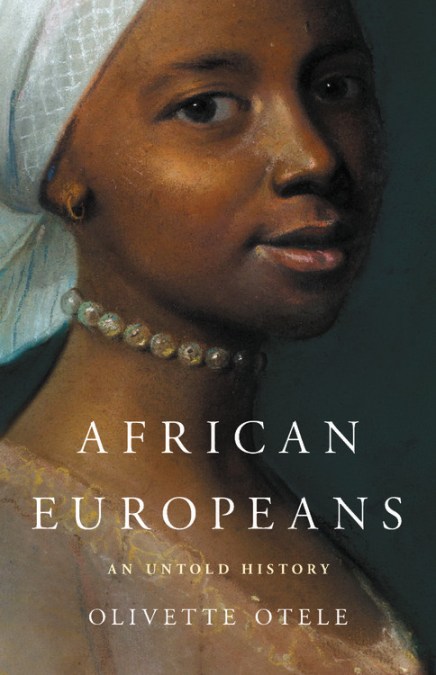
  • African Europeans: An Untold History

    Basic Books
    2021-05-04
    304 pages
    Hardcover ISBN-13: 9781541619678
    eBook ISBN-13: 9781541619937
    Audiobook Downloadable ISBN-13: 9781549136627

    Olivette Otele, Professor of History of Slavery and Memory of Enslavement
    University of Bristol, Bristol, United Kingdom

    Conventional wisdom holds that Africans are only a recent presence in Europe. But in African Europeans, renowned historian Olivette Otele debunks this and uncovers a long history of Europeans of African descent. From the third century, when the Egyptian Saint Maurice became the leader of a Roman legion, all the way up to the present, Otele explores encounters between those defined as “Africans” and those called “Europeans.” She gives equal attention to the most prominent figures—like Alessandro de Medici, the first duke of Florence thought to have been born to a free African woman in a Roman village—and the untold stories—like the lives of dual-heritage families in Europe’s coastal trading towns.

    African Europeans is a landmark celebration of this integral, vibrantly complex slice of European history, and will redefine the field for years to come.

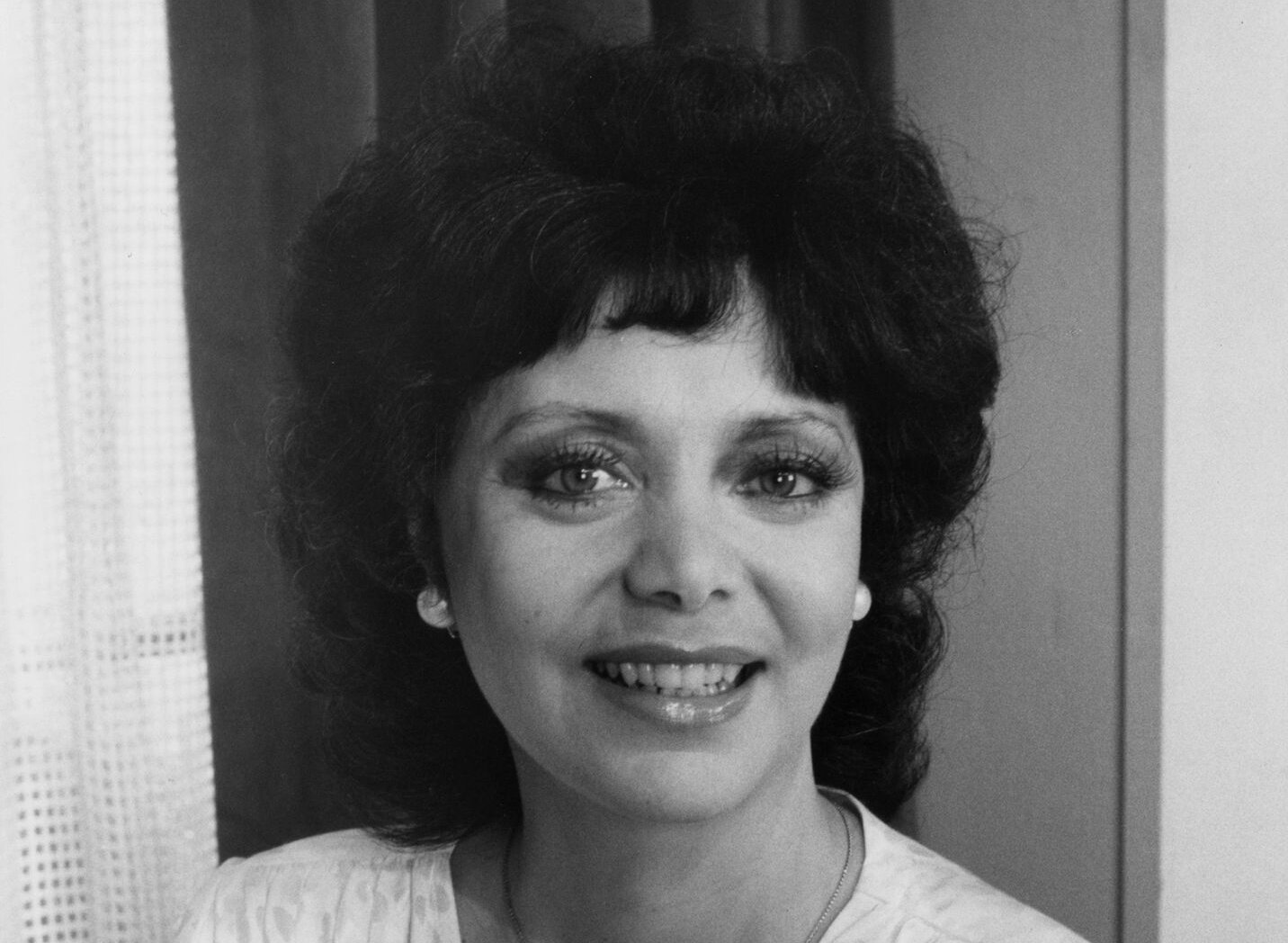
  • The Box: Looking Back At Daytime’s First Black Leading Actress Ellen Holly

    A Hot Set
    2020-07-21

    Hillary Lynch

    ABC PHOTO ARCHIVES

    Ellen Holly comes from a long line of trailblazers- her family tree includes Susan Smith McKinney Steward, the first Black woman to graduate from medical school in the state of New York (the third in the United States overall) and Sylvanus Smith, the first Black person to address Congress at the Lincoln Memorial– so it’s no surprise that she is a trailblazer herself. Her portrayal of Carla Gray on the Agnes Nixon soap opera One Life to Live marked a major moment in entertainment history, as she became the first Black leading actress in daytime television. Her inclusion on the soap was monumental, giving the daytime television viewing populace a rare opportunity to watch a Black television character in a major, meaningful role.

    Carla Gray is first introduced on One Life to Live in 1968 as Carla Benari, an Italian American woman who is on the brink of a complete nervous breakdown. The cause of her mental health issue is later revealed to be from the inner conflict she faces as a light-skinned Black woman who ran away when she was young and has been passing for white ever since. The irony of the role was not lost on Holly, who referenced the fact that Black actresses avoid trying to pass for white. At the same time, this was the only role on camera that was typically awarded to light-skinned Black actresses- and even then, these roles often went to white actresses. Irony aside, Carla Gray was huge. Upon the show’s revelation that the Italian Carla Benari was actually the Black Carla Gray, ratings spiked, and it was clear that Agnes Nixon had struck television gold with her character’s unique storyline…

    Read the entire article here.

  • New History Finally Recognizes Afro-Creole Spiritualists

    Religion Dispatches
    2016-09-20

    Paul Harvey, Distinguished Professor of History
    University of Colorado

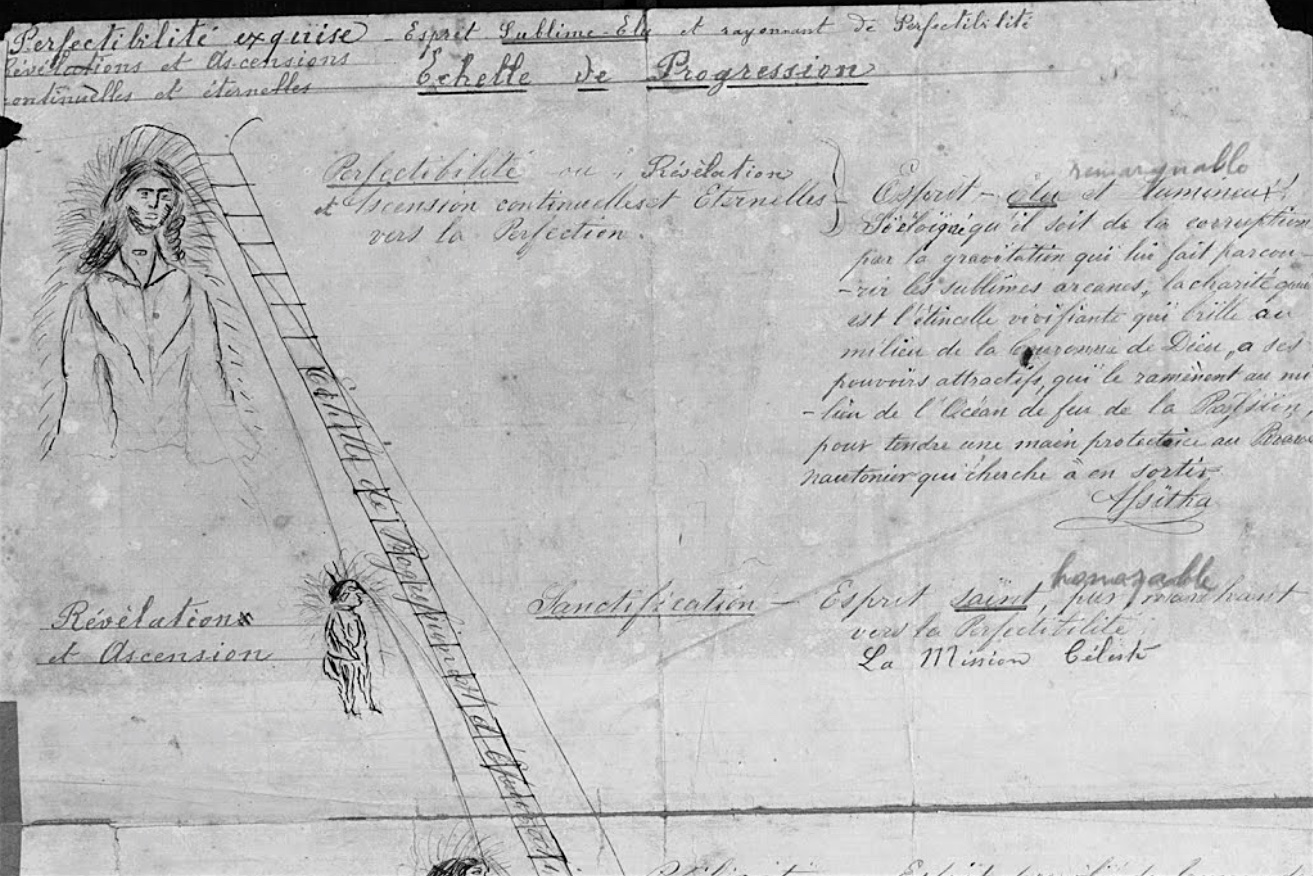
    “Ladder of Progress,” a drawing added to the archive of the Cercle Harmonique by René Grandjean, the circle’s first archivist.

    Emily Clark’s new work, A Luminous Brotherhood, is an extensive study of a subject that has weirdly been neglected in scholarship: the career of the Afro-Creole Spiritualist Cercle Harmonique from 1858 to 1877. Religious studies scholar Clark has thoroughly mined the records of the Cercle, kept at the University of New Orleans, and produced one of the most important recent works I have seen in race and religion in American history.

    By focusing on Afro-Creole Spiritualism in New Orleans, we get an extended, as well as intimate, look at how one very particular group, mostly men and free people of color, envisioned their ideal society through the voices of spirit mediums.

    In doing so, they drew from French thinkers and historical experiences (including everyone from Rousseau, Robespierre, and Lamennais to the French and Haitian Revolutions), and applied those to the construction of what they referred to as “the Idea”—a republican society that would achieve liberty, equality and fraternity even in an American society burdened by slavery and racism since its birth.

    I had a conversation with Clark, reflecting both on the book as well as on broader questions of race, religion and politics…

    Read the entire interview here.

  • Continental ancestry categories fail to adequately capture human diversity. Newly assembled datasets, such as those referenced in Science, highlight that there are no distinct categories of genetic variability, only blurred continuities. Recent high-profile studies in statistical genetics have shown that, in many cases where the use of population categories was previously considered necessary, categories can be avoided entirely. When basic and translational researchers can avoid categories, they should do so.

    Anna C. F. Lewis, “Substituting genetic ancestry for race in research? Not so fast,” STAT: Reporting from the frontiers of health and medicine, May 2, 2022. https://www.statnews.com/2022/05/02/substituting-genetic-ancestry-for-race-in-research-not-so-fast/.

  • Conversations In My Head | Conversations In My Head

    Music Xray: 21st century A&R

    Artist: Davina Robinson
    Album: The Blazing Heart
    Title: Conversations In My Head
    Year: 2008
    Track number: 3
    Total tracks: 4
    Genres: Rock / Alternative & Punk / Pop

    “Powerhouse Rock and Roll Soul” describes Davina Robinson’s blend of rock, funk, soul and wild woman attitude, creating a powerful, fierce, soulful rock style. Davina released her debut EP The Blazing Heart in May 2008, and her first full album, Black Rock Warrior Queen, in November 2011. Davina is from Philadelphia, USA and based in Osaka, Japan.

    Lyrics

    Are you watching me from afar
    Standing over my shoulder
    Are you floating above the floor
    Sorry that I can’t speak Italian anymore

    Many years ago your daughter had a Black boyfriend
    When she got pregnant it caused a stir
    Everyone said just get rid of it
    You were the only one who told her to give birth…

    Listen to the song and read the lyrics here.