• Argentine movement tries to make Black heritage more visible

    The Associated Press
    2021-11-26

    Christiana Sciaudone

    Julia Cohen Ribeiro poses for a photo in Buenos Aires, Argentina, Friday, Nov. 12, 2021. Ribeiro had never identified as anything other than Brazilian in her country of birth. Then at age 11, she was shocked when people on the street and in school in Buenos Aires insisted that she was Black. (AP Photo/Natacha Pisarenko)

    BUENOS AIRES, Argentina (AP) — It wasn’t until Julia Cohen Ribeiro moved to Argentina that she discovered she was Black.

    Her hair was curly, but her skin was light. She had never identified as anything other than Brazilian in her country of birth. Then 11, she was shocked when people on the street and in school in Buenos Aires insisted that she was Black.

    “I was never told I was Black growing up,” said Ribeiro, now a 25-year-old film student at the University of Buenos Aires. The daughter of a white mother and Black father, she has since embraced that identity and joined a burgeoning Afro-Argentine movement that seeks to eliminate the persistent myth that there are no Black people in the country and to combat discrimination against them.

    The 2010 census recorded about 150,000 people of African descent in Argentina, a nation of 45 million, but activists estimate the true figure is closer to 2 million following a surge of immigration — and because many Argentines have forgotten or ignore African ancestry…

    Read the entire article here.

  • Making Mixed Race: A Study of Time, Place and Identity

    Routledge
    2021-11-24
    208 pages
    Hardback ISBN: 9780367462918

    Karis Campion, Legacy in Action Research Fellow
    Stephen Lawrence Research Centre
    De Montfort University, Leicester, United Kingdom

    By examining Black mixed-race identities in the city through a series of historical vantage points, Making Mixed Race provides in-depth insights into the geographical and historical contexts that shape the possibilities and constraints for identifications.

    Whilst popular representations of mixed-race often conceptualise it as a contemporary phenomenon and are couched in discourses of futurity, this book dislodges it from the current moment, to explore its emergence as a racialised category, and personal identity, over time. In addition to tracing the temporality of mixed-race, the contributions show the utility of place as an analytical tool for mixed-race studies. The conceptual framework for the book – place, time, and personal identity – offers a timely intervention to the scholarship that encourages us to look outside of individual subjectivities and critically examine the structural contexts that shape Black mixed-race lives.

    The book centres around the life histories of 37 people of Mixed White and Black Caribbean heritage born between 1959 and 1994, in Britain’s second-largest city, Birmingham. The intimate life portraits of mixed identity, reveal how colourism, family, school, gender, whiteness, racism, and resistance, have been experienced against the backdrop of post-war immigration, Thatcherism, the ascendency of Black diasporic youth cultures, and contemporary post-race discourses. It will be of interest to researchers, postgraduate and undergraduate students who work on (mixed) race and ethnicity studies in academic areas including geographies of race, youth identities/cultures, gender, colonial legacies, intersectionality, racism and colourism.

    Table of Contents

    1. Introduction
    2. Introducing Birmingham
    3. The making of mixed-race in place
    4. From bun down Babylon to melting pot Britain: the manifestations of mixed-race over time
    5. Mixed-race privilege and precarious positionalities: the personal politics of identity
    6. The making of mixed-race families: past, present and future
    7. Conclusion
  • New Film “Whole” Looks at Daily Struggles of Mixed-Race Japanese

    Nippon.com: Your Doorway to Japan
    2021-11-25

    Matsumoto Takuya

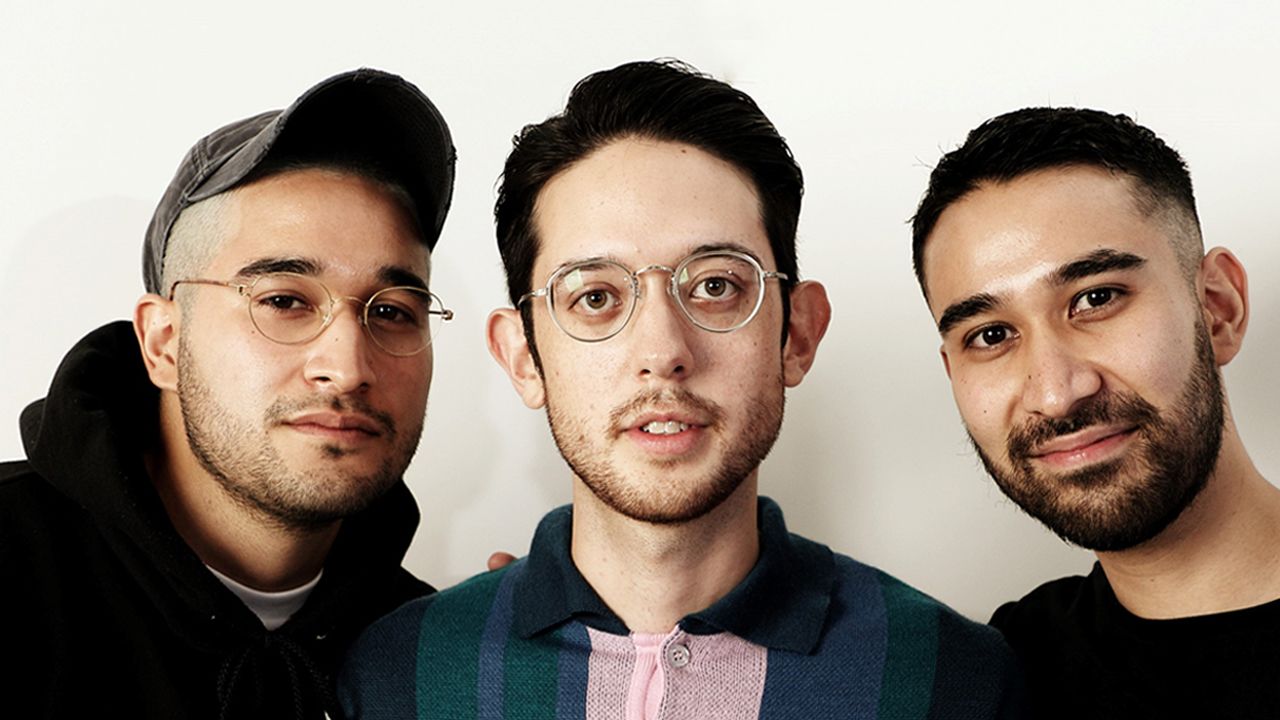
    As the population of mixed-race Japanese—popularly called hāfu—grows, entertainers and athletes with bicultural backgrounds are increasingly prominent. However, most of those considered hāfu in Japan live normal, private lives, struggling daily with curiosity, prejudice, and their own identity conflicts. Whole, a new short film, takes up the issues facing just such people through the story of two young men. We spoke with the director, writer, and leading actor about the film…

    Read the entire interview here.

  • ‘Florence Price: Symphonies Nos. 1 & 3’ Nominated For Grammy Award

    uDiscover Music
    2021-11-24

    Sharon Kelly

    Florence Price Symphonies Nos. 1 & 3 – Photo: Deutsche Grammophon

    Yannick Nézet-Séguin and The Philadelphia Orchestra’s recording of ‘Florence Price: Symphonies Nos. 1 & 3’ has been nominated for a Grammy Award.

    Conductor Yannick Nézet-Séguin and The Philadelphia Orchestra’s critically acclaimed Deutsche Grammophon recording of Florence Price: Symphonies Nos. 1 & 3 has been nominated for Best Orchestral Performance for the 2022 Grammy Awards. The Grammy, which celebrates both artistic and technical achievement, is the recording industry’s most prestigious award.

    “We’re honoured that the Recording Academy continues to recognise our work,” said Dr Clemens Trautmann, President Deutsche Grammophon. “Over the past year our artists have released some extraordinary recordings, from monuments of the repertoire such as Mahler’sSymphony of a Thousand’ to the recently rediscovered symphonies of Florence Price. They have connected with new audiences around the world and demonstrated the life-enhancing spirit of classical music in all its forms. I’m delighted that their achievements are reflected in the nominations for the 2022 GRAMMY Awards.”…

    Read the entire article here.

  • An Overdue Ovation for Florence Price

    Little Rock Soirée
    2021-09-29

    Heather Honaker

    Photo of Florence Price by G. Nelidoff, courtesy of the Arkansas Symphony Orchestra.

    “I am a woman, and I have some Negro blood in my veins – and you will understand some of the difficulties that confront one in such a position. Please judge my music on its own merit,” wrote Florence Price to Boston Symphony conductor Serge Koussevitzky in 1943.

    Price was born a Little Rock native in 1887 into a mixed-race family at 2100 Broadway. Her father was the only Black dentist in town, and her mother was a music teacher. She began playing the piano and composing music at 3 years old, and at 11, published her first work. She graduated valedictorian of Capitol Hill High School at the age of 14 and went on to study at the New England Conservatory of Music in Boston at 16.

    One of only three Black students at the conservatory, Price was counseled by her mother to list her hometown as Pueblo, Mexico, to conceal her race. She graduated with honors in three years with a double-major in organ performance and piano teaching.

    After school, she came home to teach at Cotton Plant Academy and then Shorter College before moving to Atlanta to become head of the Clark College Music Department. In 1912, she returned to Little Rock to marry attorney Thomas Price and raise a family.

    Racial tensions caused them to move to Chicago in 1927, and it wasn’t long before she and her husband divorced. There, she attended classes to perfect her craft, played the organ for silent film screenings and wrote songs for radio ads…

    Read the entire article here.

  • My Boyfriend’s Parents Are Ignorant About Race. Why Should I Have to Teach Them?

    The New York Times
    2021-11-25

    Philip Galanes


    Miguel Porlan

    A reader seeks advice on dealing with people who undermine her experience as a mixed-race woman.

    I am a mixed-race college student and identify as Black. For a year, I’ve been dating a white guy. We’ve never had an issue with race — until now. When I met his parents for the first time, ahead of the family’s big Thanksgiving feast, his father told me that being mixed race is “the best of both worlds.” I didn’t follow. So, he explained: You’re “really white,” but you get the advantages of being Black in college admissions and diversity hiring. I was stunned! My boyfriend, on the other hand, doesn’t see the problem. He says his parents are clueless about race, and it’s our job to help them understand. But I’m not interested in that job. I canceled my Thanksgiving visit, and now my boyfriend is mad at me. Advice?

    TRACEY

    Your boyfriend and his dad both owe you apologies, for different offenses…

    Read the entire letter here.

  • The Experiment Podcast: How Netflix’s Passing Upends a Hollywood Genre

    The Atlantic
    2021-11-18

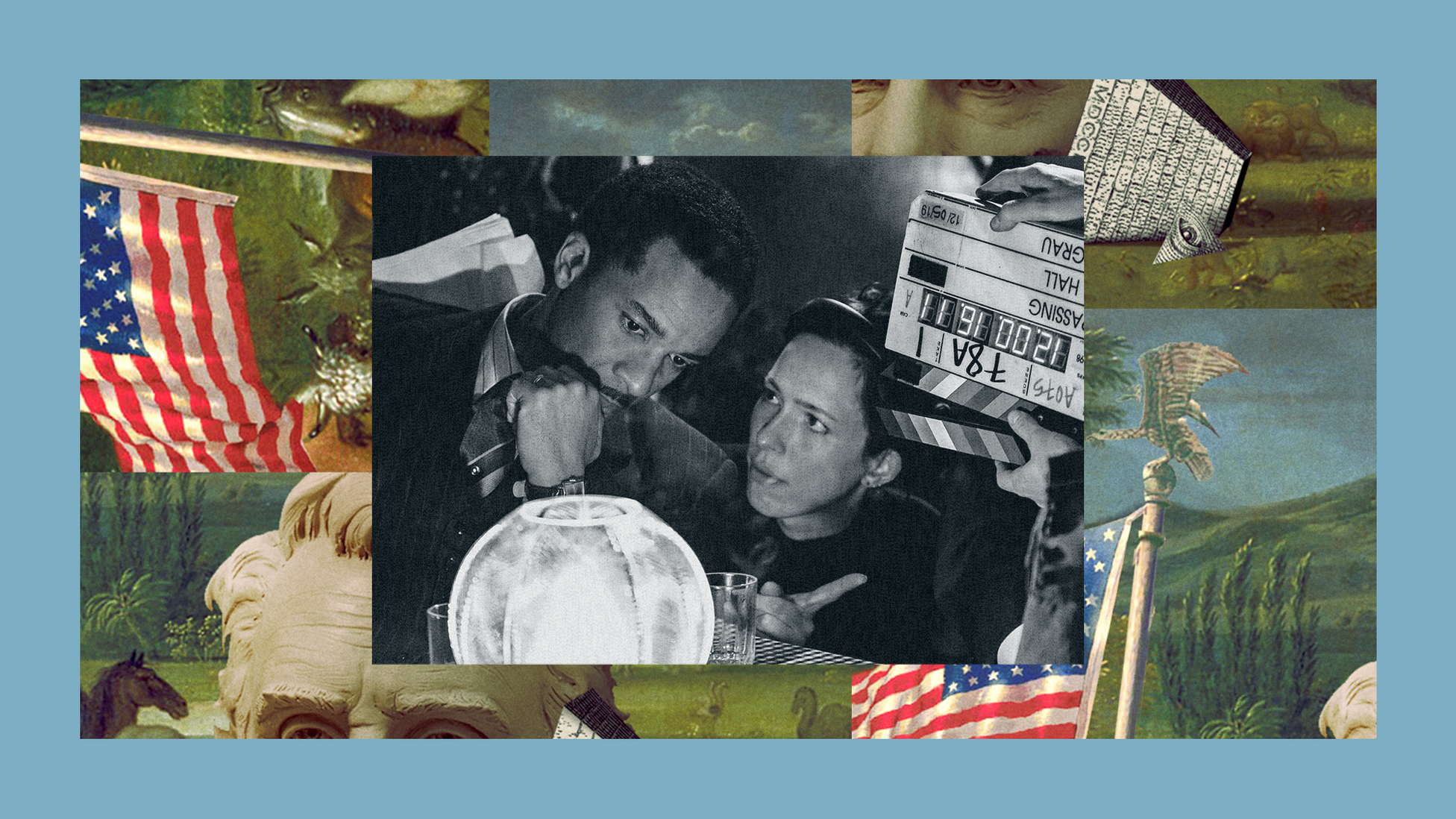
    The American movie industry has a long, problematic history with stories about racial passing. But the actor-writer-director Rebecca Hall is trying to tell a new kind of story.

    Hollywood has a long history of “passing movies”—films in which Black characters pass for white—usually starring white actors. Even as these films have attempted to depict the devastating effect of racism in America, they have trafficked in tired tropes about Blackness. But a new movie from the actor-writer-director Rebecca Hall takes the problematic conventions of this uniquely American genre and turns them on their head. Hall tells the story of how her movie came to life, and how making the film helped her grapple with her own family’s secrets around race and identity.

    Listen to the podcast (00:31:41) here.

  • My Complicated Relationship with Passing for White

    TruJuLo Media
    2021-11-19

    Fanshen Cox, Actor, Educator, Writer, Producer

    This week I share my experience with the concept of passing for white as I watch the #Netflix film #Passing starring #TessaThompson and #RuthNegga and directed by #RebeccaHall. I share important books and history lessons I’ve learned as I shape my understanding of racism and the invention of #whiteness in the United States.

    TruJuLo is a production company that uplifts stories that speak truth in pursuit of justice in service of LOVE. This Youtube channel is dedicated to teaching, learning, inspiring, spreading joy and navigating the challenges that BIPOC filmmakers experience in their filmmaking journeys.

    I’m a Black, Jamaican, Cherokee, Blackfeet and Danish playwright, producer, executive producer, actor and development executive working in Hollywood. I spent 7 years traveling across the country presenting my one-woman show One Drop of Love and have worked as a producer and development executive at Ben Affleck and Matt Damon’s production company, Pearl Street Films, for 5 years. I’m also the co-author of the Inclusion Rider, along with Kalpana Kotagal and Color of Change. I’m here to share the lessons I’ve learned as a BIPOC, Global Majority Member filmmaker, storyteller, playwright and theatre producer.

  • Mixed-Race Melodrama: Métisse

    Dr Zélie Asava: Rethinking Representation
    2020-12-14

    Zélie Asava, Academic. Speaker. Author.

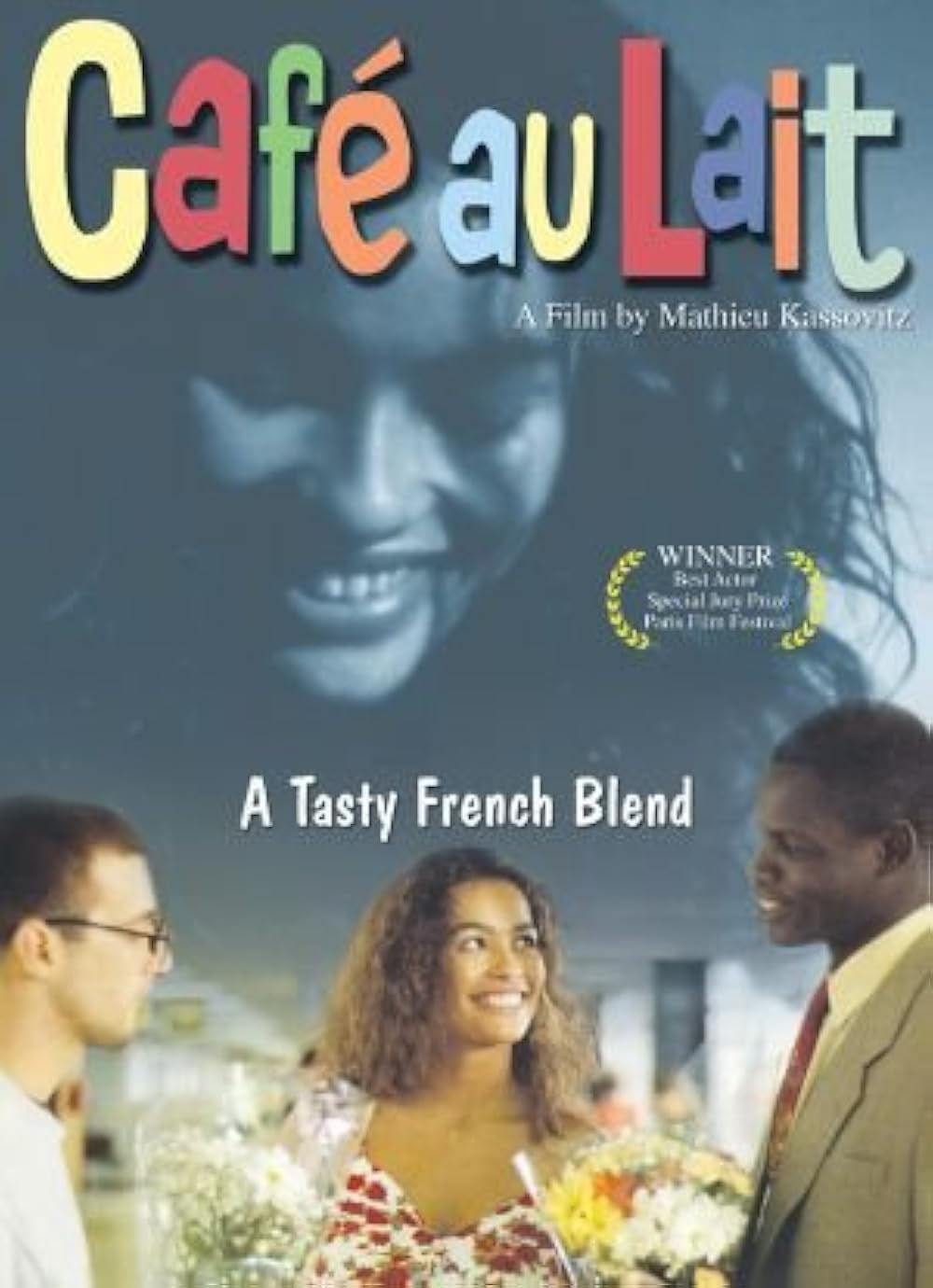
    Métisse [Mixed-Race] (Kassovitz, France, 1993) adheres to the ethics of beur cinema by reimagining the French nuclear family as black, mixed and white through its central characters. As a pioneering work it is flawed but, by directly engaging with issues of race, class, gender and sexuality, the film challenges the culturally embedded assumptions of its socio-historic moment and space.

    Like Kassovitz’s 1995 film La Haine, Métisse visualises a France infused with Americana – various scenes feature fast food chains, basketball, drug dealing, graffiti, and hip hop. This cross-cultural focus belies the mixed history of the French nation, and locates the film in a society and industry profoundly changed by the post-WWII period of American commercial domination.[1] Métisse’s mise en scène evades traditional Parisian tropes – key landmarks are absent and there is little philosophising or romance (only its troublesome consequences). The protagonists are immature anti-heroes – rather than effortlessly chic intellectuals – and embody a mixed-race France. As such, they stand as a contrast to contemporaneous cinema culture – e.g. Amélie (Jeunet, France, 2001) or Les Apprentis [The Apprentices] (Salvadori, France, 1995) – where Paris is visualised through a white lens. Métisse is a conscious attempt to rewrite the city as its ordinary inhabitants know it; to show characters driven by tangible problems rather than ennui

    Read the entire review here.

  • What the Coloring of America Requires of White People

    Three-Fifths
    2021-11-08

    Frank Robinson
    Austin, Texas

    The Census makes clear that America’s demographics are changing. The percentage of white Americans dropped, while percentages of people of color, of multiethnic and multiracial people, increased. Welcome to our emerging reality.

    To some whites, this is the dreaded harbinger of a nightmarish future where we are not in control. Numbers only confirm what’s been underway for some time. Like it or not, we must learn to voluntarily surrender every existing sense of entitlement to control the spaces we occupy. What is called for is the giving of respect.

    All white people are not dismayed, afraid or angry. Many are secretly or openly hopeful of America becoming better, doing better. Some have invested time to learn facts and actual history, done work on themselves, and even with imperfect understanding, they step up, speak up and put themselves at risk of hostile neighbors, kinfolk, and co-workers. Some do it out of human decency, some with conviction this is good, godly, and right. If that’s you, I want to encourage you and say I’m kinda proud of you. Keep moving forward in educating yourself to become the thermostat and not the thermometer in your sphere of influence. Learn from good examples. Also, learn what not to do from bad examples and failures, including your own…

    Read the entire article here.